
Skip to content
Brand · PH · EN

Colour theme

Region

Opens the same page on another regional site.

Philippines site language

English, Filipino (national language), or Tagalog. Applies to this regional site.

Search site

Search pages and articles

Ctrl+K · Search site
Menu

Healthcare radiology hub: PACS, RIS, DICOM, displays, clinical workflows

Radiology IT is different.

Uptime, image access, reporting workflows, modality integration, storage, diagnostic displays, privacy, and vendor coordination all affect clinical operations. Trucell understands the technology stack behind the clinic, not just the desktop, so radiology teams are not stuck mediating between a ticket queue and a dozen suppliers. That depth is the point of difference against generic MSPs who stop at endpoints and office suites.

The technology stack behind the clinic

Radiology depends on image availability, reporting rhythm, modality and DICOM pathways, tiered storage and retrieval, diagnostic display integrity, patient-facing flows such as kiosks or digital intake where you use them, privacy alignment, and vendors who each own only part of the read path. Trucell operates that stack as one accountable thread—not ticket-only coverage that stops at the desktop.

You are in the right place if

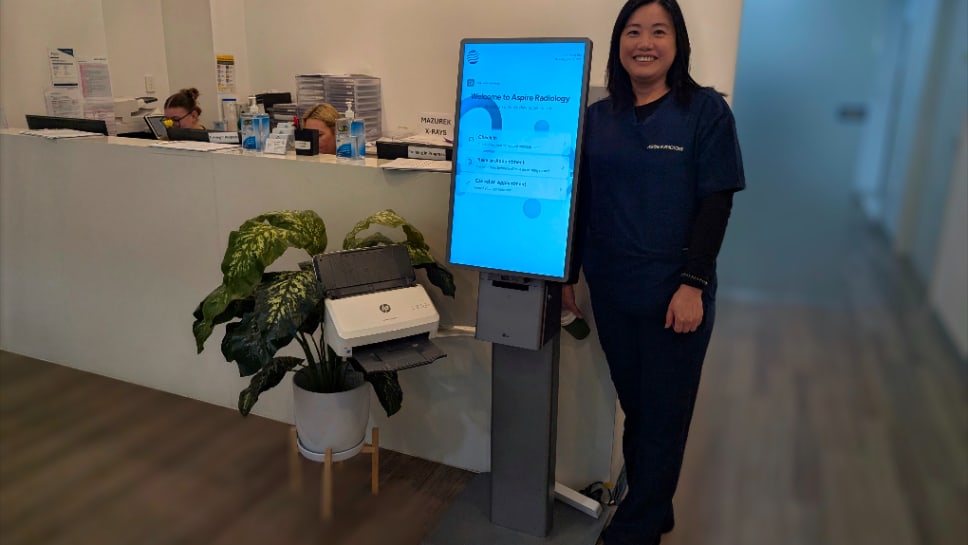
  • You want radiology and imaging IT depth—PACS, RIS, modalities, DICOM, reading rooms, teleradiology, diagnostic displays, and patient-facing kiosks where you use them—not a generic MSP treatise on laptops and SaaS alone.
  • You need one owner across RIS/PACS operations, DICOM and HL7 pathways, storage tiers, and vendor escalation, not separate teams handing off while radiologists wait.
  • You need imaging retention, backup, and restore evidence that stands up to audit, insurer questions, and board scrutiny.
  • You need modalities, reading rooms, teleradiology, and home reporting secured and supported as clinical workflows, not treated like a generic file share.
  • You need clear answers for RFP and governance reviews: interface ownership, data location, and who owns cutover across Intellirad Voyager, QUBS, ClariRad RIS, Karisma, Sectra-class, or mixed stacks.

Generic hosting with no application or clinical change ownership, or commodity hardware quotes without workflow fit. If you need only displays or connectivity without PACS context, start from medical displays or network services; strategy-only without operations, from strategic managed service.

PACS and RIS trust signals

  • 50+

    Healthcare and diagnostic imaging sites supported across Asia-Pacific and Latin America.

  • ISO aligned

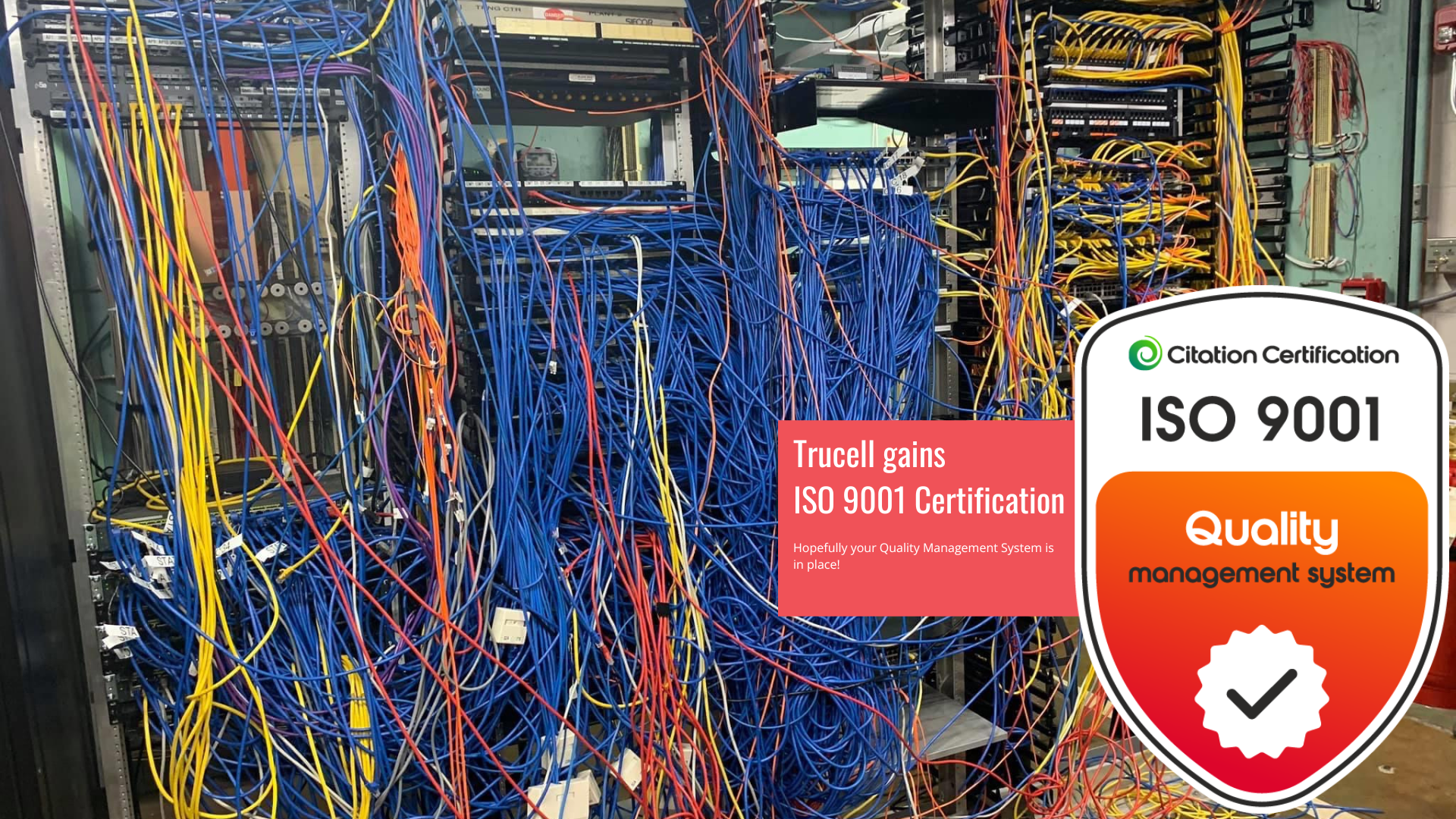
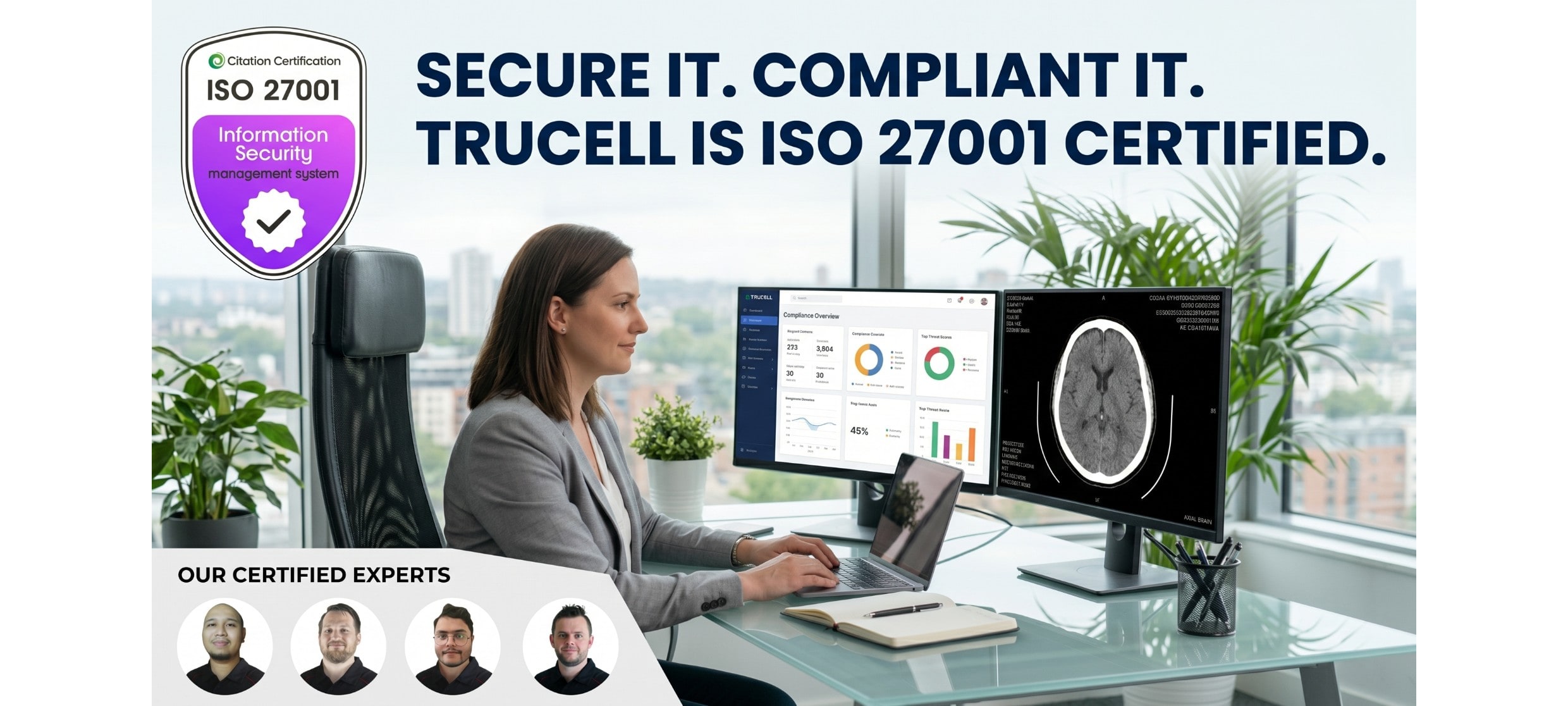
    Delivery mapped to ISO 9001 and ISO/IEC 27001 governance expectations.

  • One escalation path

    Application, storage, and network ownership coordinated in the same service thread.

One operating story across application, storage, network, and clinical workflows

Generic MSPs optimise tickets and endpoints; radiology operations depend on image availability, reporting rhythm, modality handshakes, archive retrieval, diagnostic display integrity, privacy, and coordinated vendor escalation. Imaging only holds up when those layers read as one thread. Across 50+ healthcare sites and 10,000+ managed endpoints, the practices below reflect the same service lines, partners, and governance you get across Trucell healthcare delivery.

  • Healthcare imaging depth across APAC

    50+ healthcare and diagnostic imaging sites, radiology and medical imaging focus for close to two decades. Example: full estate rebuild and security recovery for a regional radiology group after a serious cyber event, with work that supported cyber insurance placement after assurance reviews. Framed in healthcare context and privacy duties where they apply.

  • Storage, backup, and the data path

    Backup and recovery tested at realistic study volumes; NetApp-class and tiered design when your architecture calls for it. Imaging data is not “another file share” in the same scope as email unless you write it that way.

  • ISO and procurement-ready delivery

    ISO 9001 and ISO/IEC 27001-aligned management system: change records, subcontractors, and service improvement in the same frame as panels and clinical governance. Governance and regional delivery detail on About.

Where imaging IT still goes wrong

Storage sprawl and unclear retention ownership create clinical risk and leadership stress. Teams get told “we will fix it next project,” then retrieval slows, interfaces fail quietly, and restore plans are unproven when pressure is highest.

  • Tiering driven by invoices instead of workflow: everything on fast disk, or archive that fails when someone needs it under pressure. Neither survives clinical or legal questions.
  • RIS and PACS tuned separately so scheduling, billing, and reporting shift while DICOM destinations and worklists drift.
  • Modalities and reading rooms on one flat network: a workstation problem and a clinical network problem collapse into one incident.
  • Backups that skip imaging data or never get restore-tested against the RTO/RPO the board thinks you already have.
  • Vendor and infra blame circles when latency crosses storage, network, and app layers, and nobody owns the whole read path for priors and reporting.
  • A PACS contract renewal or cloud move often lands while interface inventory and retention sign-off still live in workshop notes from years ago, so the next board paper reopens the same risk register.

Imaging needs one thread across storage, integration, and security , not three suppliers blaming each other when latency spikes. The fair test is a named source of truth and test evidence, not a green backup email.

What we deliver

PACS and RIS run in operational rhythm with infrastructure: implementation, migration, integration, administration, and break-fix with named vendor coordination, so incidents resolve faster and accountability stays clear.

  • Application and platform operations

    Day-to-day RIS/PACS administration, troubleshooting, upgrades, and performance baselines; migration and legacy decommissioning; runbooks and change windows that respect clinical hours. Escalation to vendors is coordinated with application owners so storage, network, and app layers do not blame each other under pressure.

  • Storage: tier, protect, retain

    Fast tier for active reading, capacity for the primary repository, archive and long-term retention to match policy; backup and recovery and immutability where ransomware matters; clear rules on who can delete, who signs exceptions, and how audit trails survive reorganisations.

  • Clinical integration

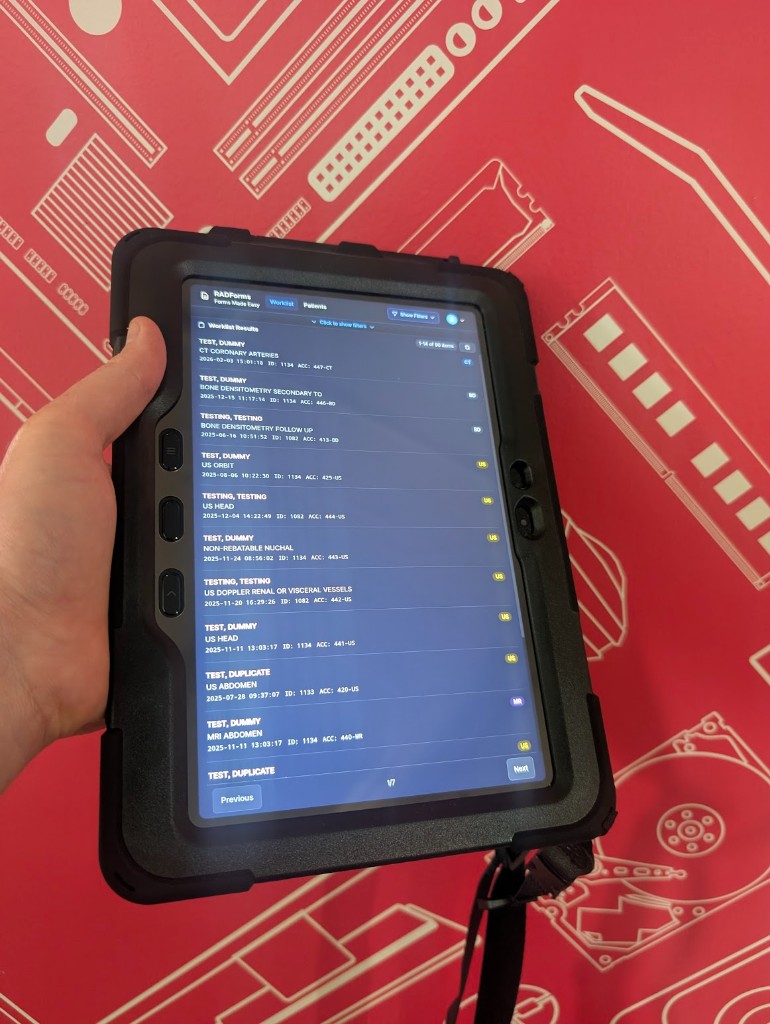
    DICOM routing, Modality Worklist, and HL7 v2 or FHIR paths so orders, images, and reports move between modalities, PACS/RIS, and downstream systems without manual rework.

  • Network and modality isolation

    Separation between clinical imaging, office LANs, and guest access, in line with managed security and network design. Through Ripple Networks (sister company), carrier-licensed connectivity can align with bespoke designs your group can own where the design requires it.

  • Radiologist home and teleradiology

    End-to-end support for home reading: hardware and diagnostic displays; connectivity and network for stable latency; workspace configuration so PACS/RIS, VPN or zero-trust, and clinical workflows match group policy, not a consumer kit with no support path.

  • Voyager, QUBS, Kestral, Comrad, ClariRad RIS, and the wider stack

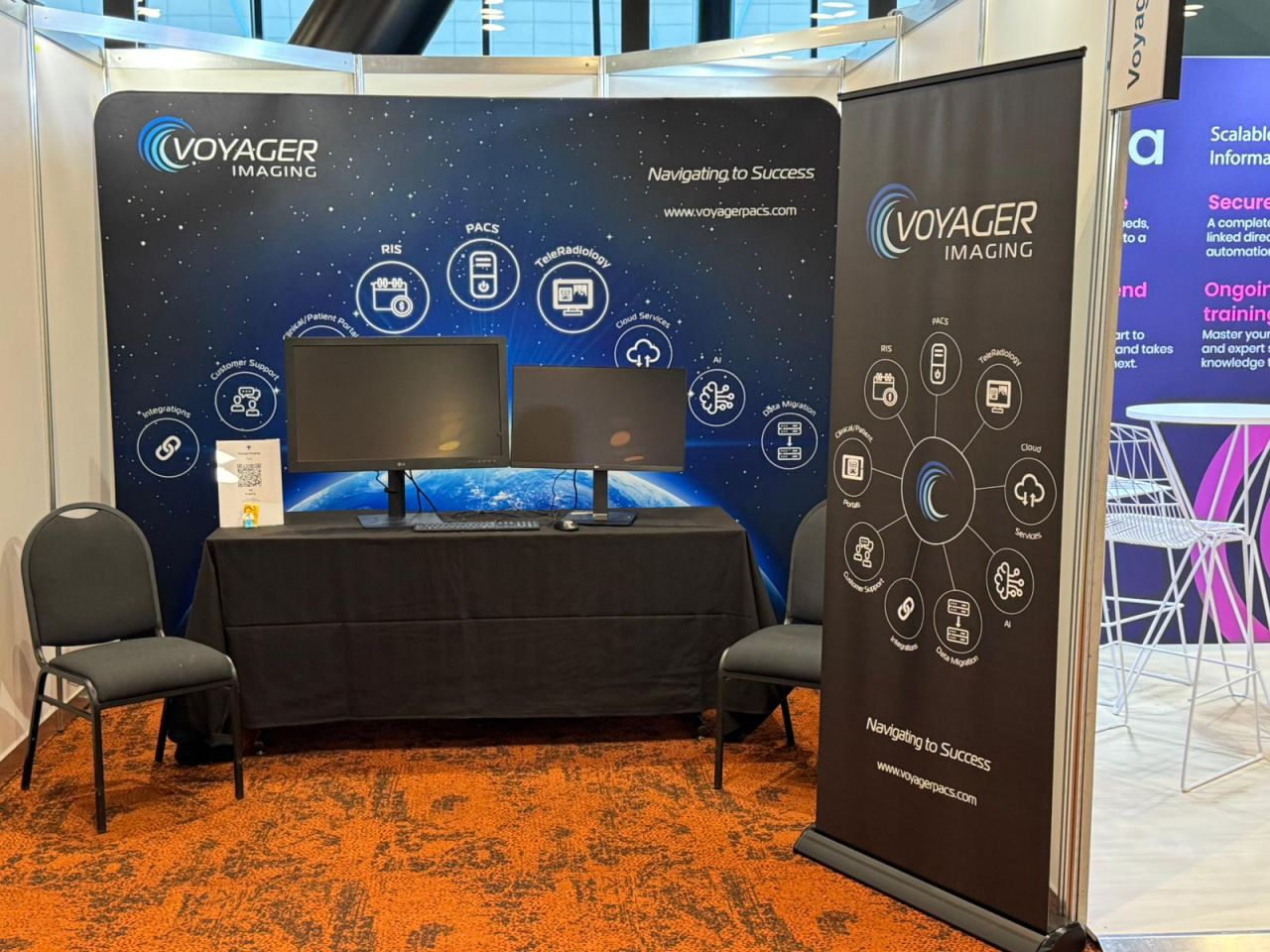
    Intellirad Voyager RIS and PACS on prem or in cloud; ongoing QUBS service; Kestral (Karisma RIS) deployment and integration; Comrad workflows. Trucell manufactures and supports ClariRad RIS . Also Sectra, Intelerad, INFINITT, and other lines, scoped with clinical application owners, not infrastructure-only projects.

Why Trucell

Concentrated radiology and medical imaging experience alongside managed IT, security, cloud, and networking—so you are not assembling generic MSP coverage and specialist imaging shops separately. ISO-governed delivery and adjacent solutions you can add without a new supplier for every line item.

  • Healthcare-native and quality-assured

    Privacy-by-design discipline, clinical change control, and alignment with applicable health data protection expectations where Trucell operates. Trucell runs an integrated management system mapped to ISO 9001 and ISO/IEC 27001, with subcontractors, change, and service improvement in the same frame procurement expects—including panel-ready delivery where pre-qualified vendor routes matter. Essential Eight -aligned operations when imaging shares the estate with general IT.

  • Cloud and hybrid without losing the plot

    Cloud and Trucell-hosted models for many estates, with data paths, latency, and exit written down. As a Microsoft partner we can align Azure migration and modernisation funding where workloads move to Azure.

  • Strategic cadence when you need cover

    Strategic managed service for roadmaps, QBRs, and spend tied to risk registers, not a handover memo at the end of a project.

RFP score lines: how we answer common PACS, RIS, and imaging questions

Clinical and ICT procurement reuse the same score lines. The patterns below show how we answer typical tender questions; your teams attach vendor SLAs, site lists, and retention policy.

  • Imaging storage, retention, and legal hold

    What to ask: who owns fast vs archive tiers, how long studies live where, and how legal hold and deletion exceptions are signed off? How we answer: tiering tied to read and retrieval workflow; backup and recovery and immutability scoped in writing; audit trails and roles that survive org change.

  • HL7, FHIR, and DICOM interfaces

    What to ask: which system is source of truth, what happens when a feed drops messages, and who is paged at what severity? How we answer: interface inventory with test evidence; named escalation to application vs infrastructure ; monitoring so failures page before radiologists do.

  • Modality and clinical network segmentation

    What to ask: how are modalities and reading rooms isolated from office and guest, and who approves a rule change? How we answer: alignment with network and managed security ; change records that name clinical impact, not a silent firewall edit.

  • Teleradiology and remote reading

    What to ask: display calibration, VPN or zero-trust, and how study access and backup work for off-site radiologists? How we answer: end-to-end home setup we support, not bandwidth alone; same hardware and network standards as on-site where policy requires.

  • Application SLAs and vendor ownership

    What to ask: P1/P2 definitions, RIS vs PACS vendor, and when infrastructure escalates to the app vendor? How we answer: runbooks with named paths; we coordinate with Intellirad, QUBS, ClariRad RIS, or your line so incidents do not bounce for hours at layer boundaries.

  • Assurance, privacy, and Notifiable Data Breaches

    What to ask: how does delivery map to breach notification, clinical incident reporting, and insurer or board evidence? How we answer: ISO-aligned management system; governance and regional delivery model you can cite; privacy and breach discipline in the same service thread as the desk when Trucell operates broadly.

If imaging, backup, and the service desk need one escalation path, book a fit call

We review your current stack (PACS, RIS, modalities, cloud or on-prem) and your biggest risk points (interfaces, storage, teleradiology). You leave with a clear ownership map, a practical next step, and evidence expectations you can take to governance.

Use this checklist in procurement workshops to align technical, clinical, and governance stakeholders before contract sign-off.

Prefer a low-friction start before booking a call?

Share a short fit brief and we will route you to the right team with practical next steps. Best for procurement-led teams comparing options.

This submits to the contact intake page with PACS and RIS context so your brief reaches the right owner quickly.

No obligation, we will recommend a practical first step.

Diligence: what to clarify before a PACS or RIS engagement

Clinical uptime depends on vendor coordination, interfaces, and storage, not only servers. Use this checklist with any partner.

  • Interface inventory

    HL7/FHIR, DICOM , modality worklist, and which system is source of truth for patient context.

  • Vendor escalation

    Named contacts and severity definitions for application vendors versus infrastructure, so incidents do not bounce for hours.

  • Remote reading readiness

    For teleradiology, document display calibration, VPN or zero-trust paths, and backup of study access, not only bandwidth.

An imaging stack that survives the next vendor release

From honest current state to steady run-state: baselines, integration maps, and review cycles radiology and IT leads can repeat without rediscovering the estate every year.

  1. Discover & baseline

    Document workloads, storage tiers, integration endpoints, and recovery assumptions before hardware swaps or contract renewals.

  2. Design & migrate

    Target architecture for PACS/RIS, DICOM paths, and retention, with phased migration and checks so modalities keep imaging through change.

  3. Operate & observe

    Monitoring , patching windows, and escalation paths sized for imaging, plus security operations that know clinical ports and segmentation instead of default server playbooks.

  4. Review & improve

    Capacity, performance, and exception reviews on a schedule you can explain. Backup and DR drills on realistic study volumes, with evidence your insurers and board can file.

When imaging IT is working, and when it is not

We care about stable reads, retention you can explain, and interfaces that still work after upgrades. Imaging is not a generic file share.

When it is working

  • Storage tiers and retention policies have owners and review dates, not notes from a workshop three years ago.
  • DICOM and clinical messaging paths are monitored; failures page before radiologists do.
  • Recovery is tested with evidence, not assumed from green backup emails.

When it is not

  • Archive looked cheap until someone needed a ten-year study for a dispute; retrieval turns into a project.
  • PACS upgrades ship while HL7 feeds drop messages until billing spots the hole.
  • Everyone says “the vendor owns it” until latency crosses storage, network, and application layers and nobody owns the whole path.

Ready to stabilise PACS and RIS before the next high-pressure incident

Share your stack, sites, and whether home reporting is in scope. We will map storage and integration risk, interface gaps, and what your next review should prove so you can avoid repeat incidents and unclear accountability. No obligation, just a clear recommendation you can act on.

Useful inputs: current PACS/RIS vendor mix, retention policy constraints, and teleradiology in-scope sites.

Frequently asked questions

Common planning and procurement questions for PACS and RIS teams.

Do we keep ownership and access to our stack?

Yes. Scope should define repository or configuration ownership, named access, and handover artefacts before build or migration starts.

How do you prove backup and restore readiness?

Restore evidence is defined against agreed RTO and RPO with realistic imaging volumes, not only backup job success reports.

How are security and segmentation managed?

Imaging and modality pathways align with managed security and network ownership so clinical VLAN changes are controlled and auditable.

Who supports incidents after go-live?

Escalation paths are written across application, storage, and network layers so incidents do not stall between suppliers.

Products in this service line

Vendor lines and technologies we deploy and support as part of this solution, not a generic catalogue.

Explore related areas

Jump to an industry, partner, or service line, most Trucell clients touch more than one.

View all articles →