Microsoft and enterprise stack depth
Deep Microsoft 365, identity, and platform work under our Microsoft relationship, with infrastructure and security on the same engagement model as the helpdesk when you need it together.


Colour theme
Region
Opens the same page on another regional site.
Australian managed & co managed IT · ITSM governed
Managed and co managed IT support across Australia with named ownership, evidence backed SLAs, and one thread from helpdesk to backup.
Same team reviews fit calls, briefs, and checklist follow ups.
Next steps: start with a 15 minute fit call (primary). Prefer async? Send a fit brief or download the diligence checklist. The same team triages every path.
Pure break fix with no appetite for runbooks, service reviews, or shared ownership of identity, storage, and recovery.
Trucell is an Australian managed services provider, not a logo collage. We support thousands of managed endpoints, and the signals below are the same ones we use in assurance conversations; detail lives on About and partner pages.
Deep Microsoft 365, identity, and platform work under our Microsoft relationship, with infrastructure and security on the same engagement model as the helpdesk when you need it together.
ISO 9001 and ISO/IEC 27001:2022 certified (Trucell Pty Ltd, Citation Certification, certificate 500-27285-IS), with an annual SOC 2 Type II report. See governance and assurance on our About page.
NSW Accredited Supplier and IRAP assessed capabilities, with ISM aligned security operations for government style reviews. Framed in governance and locations where you need the detail.
Australian presence (Sydney, Melbourne) with delivery follow the sun from the Philippines and Chile, alongside remote coverage for Australian organisations. Locations and model.
We finally had one thread from the ticket to the datastore, instead of three vendors pointing at each other when payroll froze.
Same systems, same budget, different owner. This is what actually changes when accountability sits in one place.
Same managed model; sector specific language for procurement. Pick your industry below, or go straight to a fit conversation from the CTA.
How this maps to Trucell:
Practices need predictable devices, identity, and recovery, not rush jobs before EOFY or audit. Trucell runs the same IT support model as on this page, scoped to confidential client data, Microsoft 365 or Google Workspace, immutable backup design, and integration with practice tools, under ISO 9001 governed service management.
IT support here means the desk and endpoints stay aligned to how projects run: resilient internet and WAN paths, rugged hardware lifecycle, voice, cloud, backup, and integrations with tools such as Simpro, ServiceM8, and Bluechip ProfitPlus, so crews and PMs are not fighting desk only playbooks.
Support and change control that respect privilege and discovery readiness: identity and collaboration (including SILQ aligned clients), tested backup and restore paths, and voice or call recording tied to the same retention story, not siloed telephony projects.
IT support sits on top of WAN and internet design: Starlink, multiplexed satellite paths, fixed wireless, and enterprise networking, so tickets and monitoring align with how telemetry, voice, and corporate access actually run across sites.
Managed IT and support framed for term time reality: identity and devices for students and staff, security monitoring proportionate to risk, awareness training written for educators, and backup and connectivity that stay dependable as enrolments and sites shift.
IT support coordinated with cutover discipline: service desk and infrastructure work aligned to roster peaks and maintenance windows, so endpoints, voice, and collaboration stay dependable when schedules cannot slip.
Managed IT and security framed for procurement and ISM expectations: NSW Accredited Supplier, IRAP assessed capabilities, and PROTECTED aligned operations, so support and SOC workflows stand up in reviews, not only in marketing copy.
Support and projects aligned to classification and trade expectations: ITAR Australian Authorized User context, integrated security operations, strategic cadence for accreditation windows, and integration work documented for regulated scopes when your program requires it.
Next step is a short fit call, or download the diligence checklist if you are still evaluating.
One operating thread across desk, endpoints, infrastructure, and backup, fully managed or co managed, across thousands of endpoints today.
Triage in HaloPSA, escalation to infra, cloud, and security on one ticket. Explicit rostering across Australia, the Philippines, and Chile, not a vague 24/7 line.
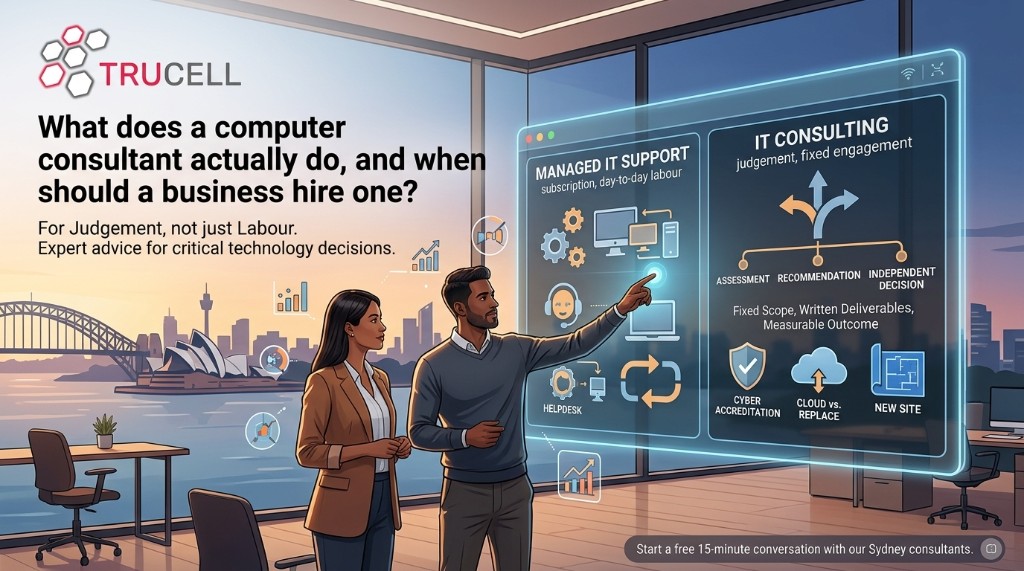
RACI between your team and ours: which tier you keep, which we run, one queue users recognise. Add strategic managed service for TAM or QBR cadence, or start smaller with an assessment from our computer consultants.
NetApp and backup aligned to the desk; Essential Eight run habits with managed security for SOC scope.
Documented runbooks, change approvals, satisfaction and incident measures, and governance aligned to ISO 9001 style control, not a slide once a year.
Use these in your tender clarifications to test resilience and ownership, not presentation polish.
Ask: how do you stop repeat incidents and keep Essential Eight and recovery aligned day to day? Answer: monitored operations where Essential Eight habits and backup sit on the same service desk tickets your users already open, not a parallel compliance track; add managed security when you need SOC level depth.
Ask: what is in the SLA, how is it measured, are remedies real? Answer: written targets, HaloPSA measurement, and contract defined remedies. The diligence path is the agreement and the monthly readout.
Ask: who is our named escalation path, and what do we get monthly? Answer: defined escalation and reporting; add strategic managed service for TAM or QBR cadence when scope warrants.
Ask: which frameworks do you meet, and where is it written? Answer: claims tied to governance on About, the same text your legal and security teams can read, not a badge on a slide.
Ask: can we talk to a sector reference and see how you run in practice? Answer: sector appropriate references arranged in sales; the next step is a scoping and fit conversation aligned to your process.
A 15 minute fit call. We map your desk model, stack, and failure patterns, then outline a 30 day stabilisation path you can test internally.
Prefer to talk now?+63 2 8246 9026…
Explicit onboarding, then operate and report against agreed outcomes, including fewer repeat incidents.
RMM, monitoring, categories, and a burn down on repeat incidents; route E8 through proper approvers.
Patch, fulfil, and tie desk to infra signals. Reporting shows trend lines, not only “closed.”
Service reporting; add strategic reviews for roadmap and investment cadence.
Either you get clear ownership and trend reduction, or you keep paying for the same failures.
Monthly support fees cover the work we own in the queue. Consumables, carrier data, and site construction sit outside that fee unless the quote says otherwise.
Questions teams ask before transition, renewal, or co managed redesign.
Managed support delegates day to day operations to your provider, while co managed support shares responsibilities with your internal team using an agreed ownership model.
Evaluate response and resolution commitments against business impact, escalation ownership, and reporting evidence, not just first response percentages.
Yes. Effective support operations align patching, privileged access, and backup workflows with Essential Eight and recovery expectations so controls hold in daily practice.
A practical transition should include service catalogue mapping, runbook transfer, escalation definitions, tooling alignment, and baseline reporting before go live.
We run a staged transition: catalogue and runbook transfer, tooling alignment, escalation drills, and baseline reporting before go live. Cutover is sequenced to limit surprise. The goal is continuity with clearer ownership, not a reset for its own sake.
Our L1 and L2 tiers operate from Australia, the Philippines, and Chile with explicit rostering and language coverage tied to your contract, not a vague 24/7 line. An Australian owner takes the thread on sev 1 incidents and after hours escalations defined in scope, so end users always know who to ask and which queue holds the work. If one outage creates three ticket IDs across three systems, duration climbs; we keep escalation in one queue users recognise.
SLA metrics differ across providers: first response, restore time, workaround time, or business impact weighted resolution. We measure in HaloPSA against the metric your contract names, with credits and service review triggers defined in the agreement, not a marketing page. Bring legal and commercial owners to diligence; the readout is monthly or quarterly with evidence your auditors and reviewers can verify.
Our incident bridge brings storage, identity, network, and backup specialists into the same call alongside the desk owner, not a relay across silos. We can state RPO, last restore rehearsal, and Essential Eight run habits where in scope. If perimeter, SOC, or SIEM depth is needed beyond standard support, we add managed security services explicitly so the line of responsibility stays clear under pressure.
Standard trading hours are Monday to Friday, 8am to 6pm, and Saturday 8am to 1pm (local Australian time for AU engagements). Critical issues are not abandoned after those hours. Sev 1 and after hours paths defined in your contract keep an owner on the thread, with response commitments written into the agreement rather than left as a marketing promise.
Fees cover the support work in scope: helpdesk, remote diagnosis, patching and antivirus for managed servers, and printer support when the device is in the managed set. They do not usually include toner or printer parts, carrier SIM or data for cellular failover, or cabling and cabinet construction. Those appear as consumables, carrier charges, or separate project lines on the quote.
Commercial terms are contract specific. Many managed engagements use a multi year term with notice windows for non renewal and price changes, but we do not publish MSA clauses on this page. A discovery or fit call is the right place to walk through term, inclusions, and any Remaining Term Fees that apply to your proposal.
Share your support model and top risks; your brief goes straight to the intake queue.
The free Imaging Practice IT Risk Audit reviews PACS and RIS uptime, backup restore evidence, Essential Eight posture, and Microsoft 365 governance and delivers a 12 page report with a 90 day remediation plan. No sales pitch in the report. If it is not worth $2,500 of your time, we donate $500 to the RANZCR Foundation. Not an imaging practice? Book a 15 minute fit call instead.
Prefer to talk now?+63 2 8246 9026…
On the fit call, mention your PSA or RMM names, support regions and hours, and any audit or Essential Eight context already underway.
Jump to an industry, partner, or service line, most Trucell clients touch more than one.
How we tune governance and service levels to sector risk, not generic SMB defaults.
Read moreClinical systems and imaging adjacent infrastructure where uptime and change control matter.
Read moreIdentity, endpoints, and backup patterns for firms handling sensitive client data.
Read moreData location, access, and retention aligned to how your practice actually works.
Read moreSites, mobile users, and head office, connectivity and collaboration without a brittle stack.
Read moreStarlink, Starlink multiplexing, fixed wireless, and enterprise WAN, integrated with security and operations for remote sites.
Read moreIdentity, endpoints, and safeguarding across campuses, labs, and hybrid learning.
Read moreStable operations and integrations for airlines, airports, and aviation services teams.
Read moreAgencies and emergency services, security baselines, governance, and field ready support.
Read more
Silver Partner stack for VoIP, UC, and contact centre, integrated with network, identity, and backup paths you actually operate.
Read more
Hybrid and multi cloud data paths: snapshots, replication, and performance matched to RPO/RTO talk.
Read moreEnterprise imaging and PACS/RIS integration depth for healthcare organisations balancing clinical outcomes and cybersecurity.
Read more
Operations visibility: patching, inventory, and reporting once workloads are live.
Read more
Next generation firewalls, SASE, and cloud security where your architecture standardises on Palo Alto.
Read more
Gold Partner stack for NGFW, SD WAN, ZTNA, and network security at the edge.
Read more
Singularity XDR for endpoint protection, deployed and tuned as part of managed security services.
Read more
AI assisted SIEM and SOC visibility, correlated alerts and reporting, not log storage alone.
Read more
Falcon telemetry and response where your estate standardises on CrowdStrike.
Read more
Managed detection for persistence, reseller led threats, and Microsoft 365 adjacent risk.
Read moreImmutable backups, M365 protection, and DR that gets tested, not just configured once.
Read morePerimeter, endpoints, and monitoring sized to your risk profile.
Read moreTenant hygiene, licensing clarity, and collaboration defaults before you scale users.
Read moreIn house development for APIs, integrations, and small applications, owned with your managed IT and change controls, not a disconnected vendor.
Read moreLAN, WAN, and Wi‑Fi that stay documented when the next project lands.
Read moreBusiness internet, WAN paths, and redundancy aligned to cloud and security design.
Read moreManaged racks in NextDC and Equinix with cross connects, smart hands, and one accountable operator.
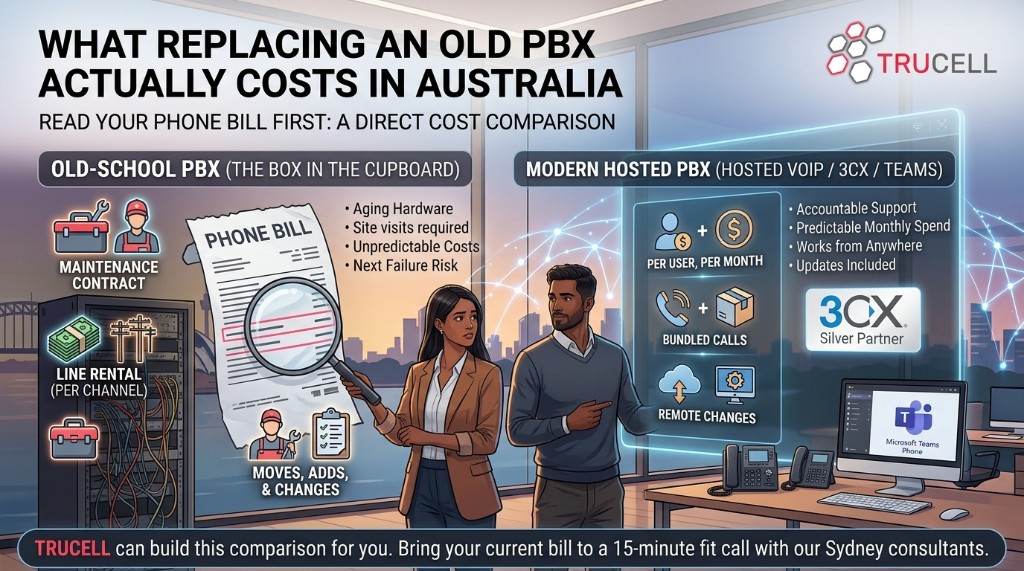
Read more3CX, Teams Voice, SIP, and recording paths integrated with network, identity, and backup.
Read moreCo managed IT options, TAM led roadmaps, and QBRs so IT spend, projects, and support stay on one thread.
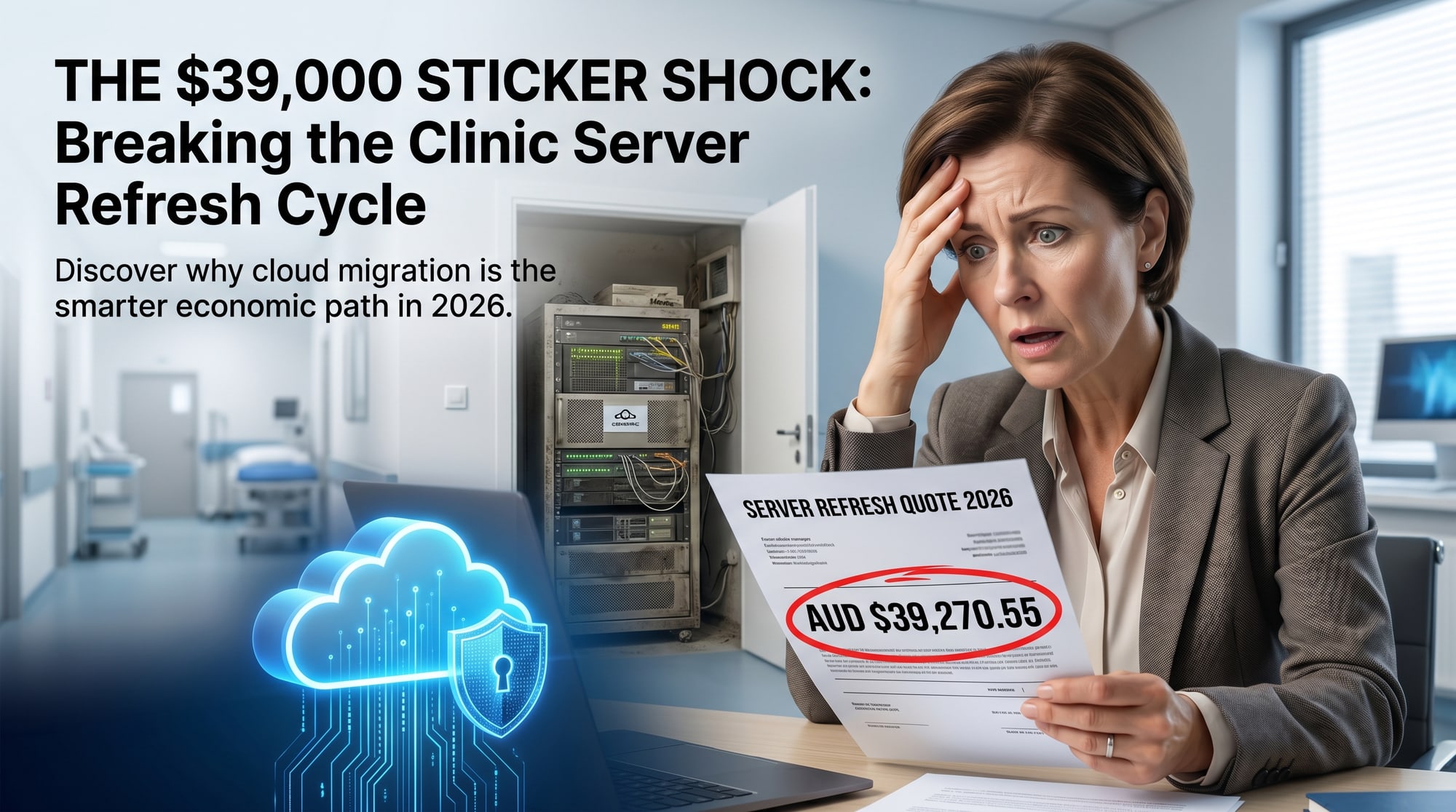
Read moreServers, storage, and endpoints sourced with clear specs, resilience options, and lifecycle handover, not cart only buying.
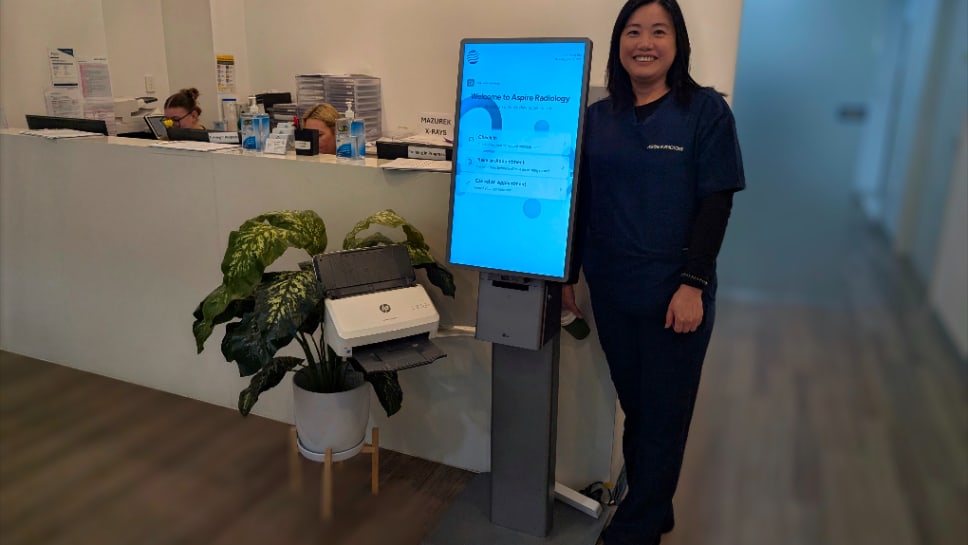
Read moreRadiology depth: uptime, DICOM and modality paths, PACS/RIS, storage, diagnostic displays, and vendor coordination, beyond desktop MSP defaults.
Read more