

Published: By Trucell5 min read
How Alfred Health switched from EIZO to LG diagnostic displays, and what tipped the decision
Alfred Health switched from EIZO RadiForce to LG diagnostic displays in 2026 after a reading floor trial, an LCS demo, and a cost of ownership case.
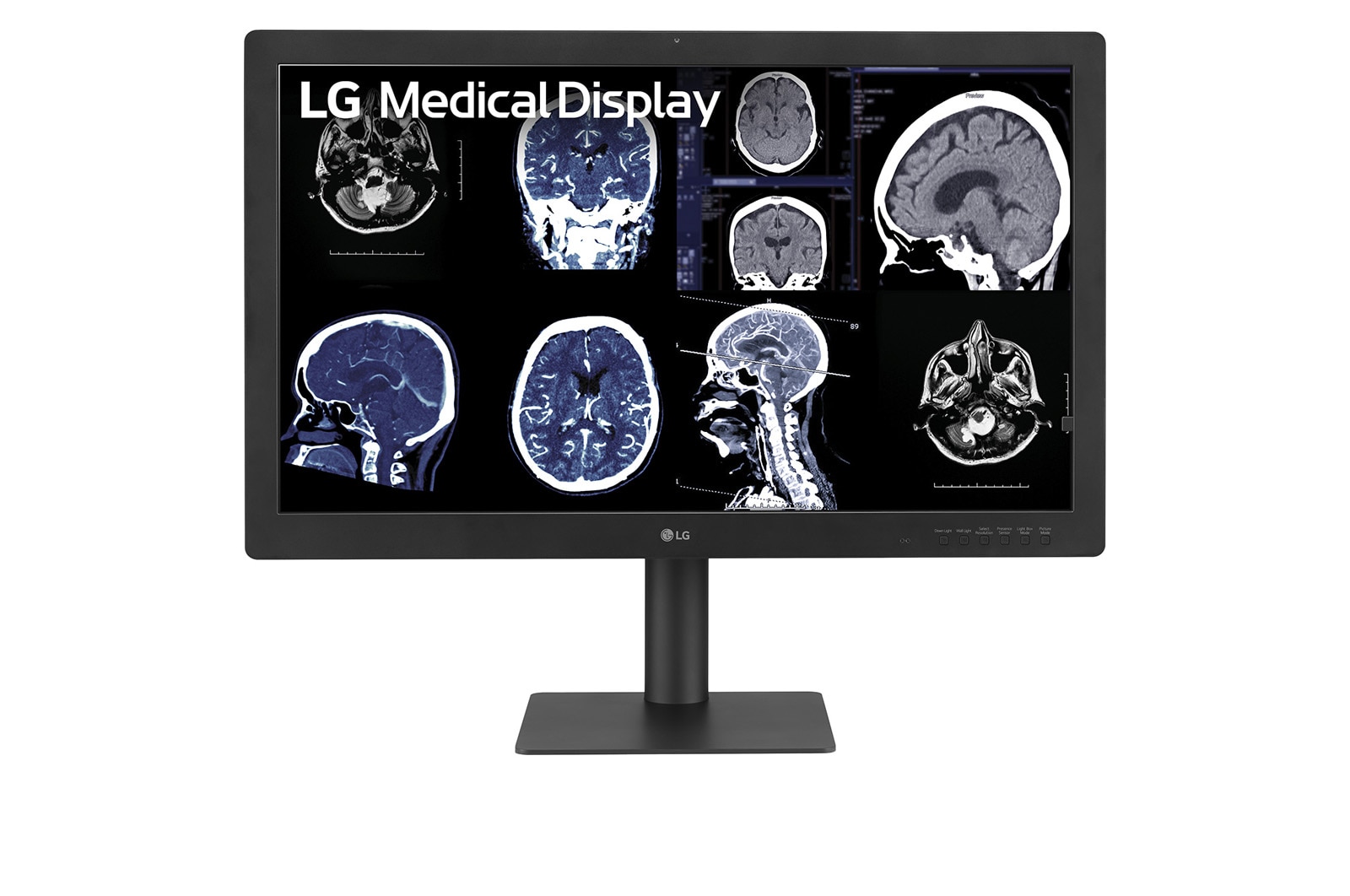
In early 2026, Alfred Health completed an enterprise-wide diagnostic display refresh across The Alfred, Caulfield, and Sandringham hospitals, moving from EIZO RadiForce to LG diagnostic displays. The decision came after a structured evaluation focused on the operating model around the display: calibration workflow, fleet management, audit trail, and total cost of ownership over a five-year service life.
This is a write-up of how that evaluation ran and what tipped the decision toward LG.
The starting position
Alfred had a substantial installed base of EIZO RadiForce diagnostic monitors at or near end of service life. The refresh question was not whether the incumbent platform still worked. The question was where Alfred’s radiology and biomedical engineering teams wanted to spend their operational attention for the next five years.
That framing reset the criteria. Diagnostic image quality and DICOM Part 14 compliance are now baseline; both serious vendors meet them. Where vendors meaningfully differ in 2026 is in the operating model around the display: how calibration is run, how a fleet is managed across multiple campuses, how evidence is produced for accreditation, and how much technician time the model consumes over the service life.
Step 1: trial monitor on the reading floor
The first step Alfred and Trucell agreed on was a trial unit on the reading floor. Not a product demo by a sales engineer in a meeting room. An actual diagnostic LG display, in the actual reading environment, in front of actual radiologists, for long enough that first-impression effects faded.
The trial confirmed the table-stakes question: diagnostic image quality on the LG met the standard Alfred required in the reading room. That answer needed to be confirmed in the actual room before any conversation about calibration workflow or total cost was worth having.
Step 2: online demo of LG LCS calibration software
The decision actually turned on the next step: a structured online demonstration of LG’s calibration software (LCS).
The demonstration showed the calibration model end to end:
- Built-in sensor self-calibration, with no requirement for an external puck on each display.
- Scheduled automatic calibrations running on a managed cadence across the fleet rather than requiring a biomedical technician to visit each room with a probe.
- Centralised reporting and audit trail for each calibration cycle, exportable for the QA file that radiology accreditation expects.
- Multi-site management across The Alfred, Caulfield, and Sandringham from a single console.
For Alfred’s biomedical engineering team, that workflow translates directly into technician hours freed up across the fleet, calibration coverage that does not depend on a single staff member’s schedule, and an evidence trail that procurement and accreditation reviewers can produce without manual collation.
This was the point where the decision crystallised. With diagnostic image quality confirmed on the floor, the operating model around the display became the deciding factor, and LCS made the LG operating model the easier one to run at Alfred’s scale.
Step 3: what was deployed
Alfred standardised on the LG 32HQ713D-B 31.5” 8MP IPS Black diagnostic monitor for the diagnostic reporting workflow, with appropriate clinical review and surgical models elsewhere in the catalogue for non-diagnostic environments. Trucell supplied the monitors under our existing LG supply arrangement, coordinated delivery and installation across the three campuses, and handed each room into the LCS-managed calibration cycle as part of go-live.
What this evaluation was, and was not
A few honest caveats are worth stating directly.
This was not a price-driven switch. The two platforms are commercially comparable at fleet scale. The TCO advantage that emerged for Alfred came from technician time and calibration workflow over a 5-year service life, not from the per-unit purchase price.
This was not a one-month evaluation. The full path from first trial monitor on the reading floor to enterprise-wide go-live ran across several months and several stakeholder groups (radiology, biomedical engineering, procurement, IT). Anyone considering a similar refresh should plan for that timeline rather than a same-quarter switch.
This was Alfred’s evaluation outcome. Different sites with different installed bases, tooling investments, and clinical workflows can land on different platforms. Trucell supplies LG medical displays and supports clients with existing EIZO estates, but does not sell new EIZO displays. The relevant question for any individual site is the same one Alfred asked, which is what operating model fits the team that has to run it for the next five years.
What this means for similar refreshes
If you are at a major hospital network looking at an enterprise diagnostic display refresh in 2026, the pattern Alfred used is reusable:
- Test the diagnostic image quality on the floor, not in a sales meeting. Radiologists need to see the candidate display in their actual reading environment before any conversation about calibration or cost is meaningful.
- Compare the calibration workflow, not the calibration spec. DICOM Part 14 compliance is baseline. How calibration actually happens, who runs it, how it is recorded, and how it scales across multiple sites is where the real operational difference lives, and where LG’s LCS made the case for Alfred.
- Ask for the audit trail format. Accreditation reviewers want evidence of calibration cadence and pass/fail. Centralised reporting that produces that evidence without manual collation is worth more than a marginal panel spec.
- Look at total cost over the service life, not the unit cost on the quote. A meaningful slice of the cost is the labour of running calibration over five years, and that labour is what the LCS-managed model removed.
Talk to us
If your network is evaluating a diagnostic display refresh and you want to mirror the evaluation path Alfred used (trial unit on the reading floor, LCS demonstration, structured operating-model comparison, supported go-live), Trucell can scope it with you. Use the form below to start the conversation.
Related reading
- Lunch and Learn: LG diagnostic monitors and digital X-ray detectors at Westmead Hospital
- Trucell awarded NSW Health SOA HSSP_HC22_AME885 for Ancillary Medical Imaging Equipment
- How to check if your radiology display is still meeting brightness standards (free test kit)
- RANZCR NZ ASM 2025: what Voyager Imaging actually does behind the scenes